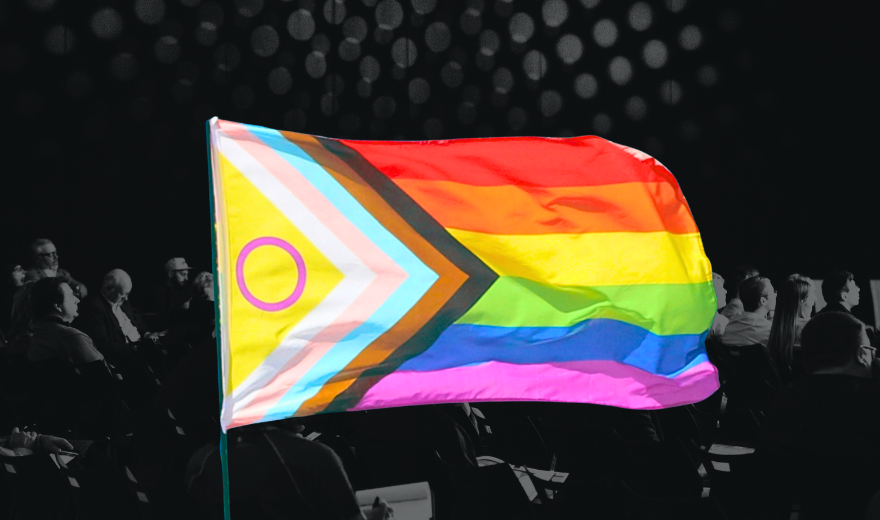
From Accessibility to Belonging: Rethinking Inclusive Event Design Through Pride
As Pride events fill calendars across Canada and beyond, it’s worth pausing to consider how executives, marketing leaders, and event professionals can design event experiences, conferences and activations that are not only vibrant, but also genuinely inclusive, accessible, and welcoming.
For these audiences, inclusion is not just an afterthought or a June-only conversation. It is part of the attendee experience, part of brand credibility, and increasingly, something that differentiates authentic experiences from surface-level inclusion.
What Pride Means for LGBTQIA+ attendees and beyond.
Pride is often understood as a celebration, but for many LGBTQIA+ individuals, it carries a deeper meaning. It represents visibility, identity, and the ongoing pursuit of safety and belonging in public and professional spaces.
Attending an event as an LGBTQIA+ individual is not always an easy experience. It can involve a series of quiet, often unconscious moments of reflection:
- Will registration allow me to share my name and pronouns without making it feel optional, awkward, or performative?
- Are there all-gender washrooms that are easy to find and clearly marked?
- Will staff, speakers, and hosts use inclusive language and know how to respond if someone is misgendered or made to feel uncomfortable?
- Could dress codes, networking formats, security screening, or badge names, create barriers for trans, non-binary, or queer attendees?
Initial Steps to Think About Inclusive Event Design.
1. Consider access before the on-site event experience begins
Think beyond the RSVP. Registration forms should make space for accommodation requests, inclusive language, preferred name & pronouns, and attendee preferences. It is also important to consider financial accessibility for attendees in need: whether ticket prices that are on a sliding scale, community pricing, scholarships, or hybrid access for those facing cost or travel barriers.
A helpful starting point isCanada’s inclusive event planning guidance, along with the Canadian 2SLGBTQ+ Chamber of Commerce’s LGBT+ inclusive events checklist, which include practical planning details takeaways from pronouns and washrooms signage to inclusive suppliers, programming, and post-event feedback.
2. Choose spaces and partners with intention
Accessible entrances, elevators, all-gender washrooms, clear signage, and trained venue staff should all be non-negotiable when it comes to choosing your event venues and vendors.
The Rainbow Registered Accreditation (CGLCC) is one of the most important benchmarks that verifies:
- Staff training for LGBTQIA+ inclusion.
- Inclusive policies and guest experience standards.
- Commitment to safe, welcoming environments.
3. Plan for accommodations beyond the “default” attendee
Accommodations should be built into the event experience for attendees who may experience barriers related to disability, neurodiversity, language, mobility, sensory processing, faith, caregiving, dietary restrictions, or chronic illness.
Captions and interpreters support attendees who are deaf, hard of hearing, or more comfortable with visual language. Sensory-friendly spaces, scent awareness, quiet rooms, and comfort breaks can help neurodivergent attendees, people with anxiety, and anyone who needs time away from bright lights, sound, or a crowded networking environment.
When these needs are planned for early on, inclusive event design becomes part of the experience rather than a last-minute addition.
4. Consider representation when crafting your agenda
Representation should shape more than branding; it should influence event programming, speakers, vendors, creatives, and decision-makers. When LGBTQIA+ attendees see themselves reflected in the room, the event experience will feel more authentic, inclusive, and connected to the communities they are a part of.
5. Make belonging visible
A code of conduct, clearly shared access to information, staff training, and post-event feedback all help turn good intentions into real accountability.
Inclusive, Diverse, Accessible Event Design All Year Round
Pride is a powerful reminder, but inclusive event design has to extend beyond one month in June.
To move from accessibility to belonging, event leaders need to recognize that LGBTQIA+ identity can overlap with race, disability, neurodiversity, faith, language, income, caregiving, and other lived experiences.
When strategic creative experiences are designed with these connections in mind, events become more than welcoming in principle; they become places where more people can see themselves, participate fully, and feel considered from the first invitation to the final follow-up.
What’s Next
If you enjoyed this blog post and want more insights, resources, and industry guidance delivered straight to your inbox, subscribe to our newsletter, The LOMA Latest, and stay connected with the LOMA community at @loma_agency.